
Dealing with a Strong U.S. Dollar
November 19, 2015As the strength of the U.S. dollar is on the rise, a small
group of representatives from local businesses sat down for a roundtable
discussion to gain insight and share advice on how to manage the currency’s
impact on exports and trade.
a recovering economy, it negatively impacts U.S. companies that export their
goods and services. For example, in November of 2014, a good that was produced
and priced at $5 by a U.S. company could be purchased by a European company for
€4.
A year later, the same U.S. company making the same product and priced at the
same $5 would now cost a European company €4.61.
international companies while U.S. companies are not necessarily pulling in any
additional revenues.
Strategies for Dealing with the Strong U.S. Dollar.
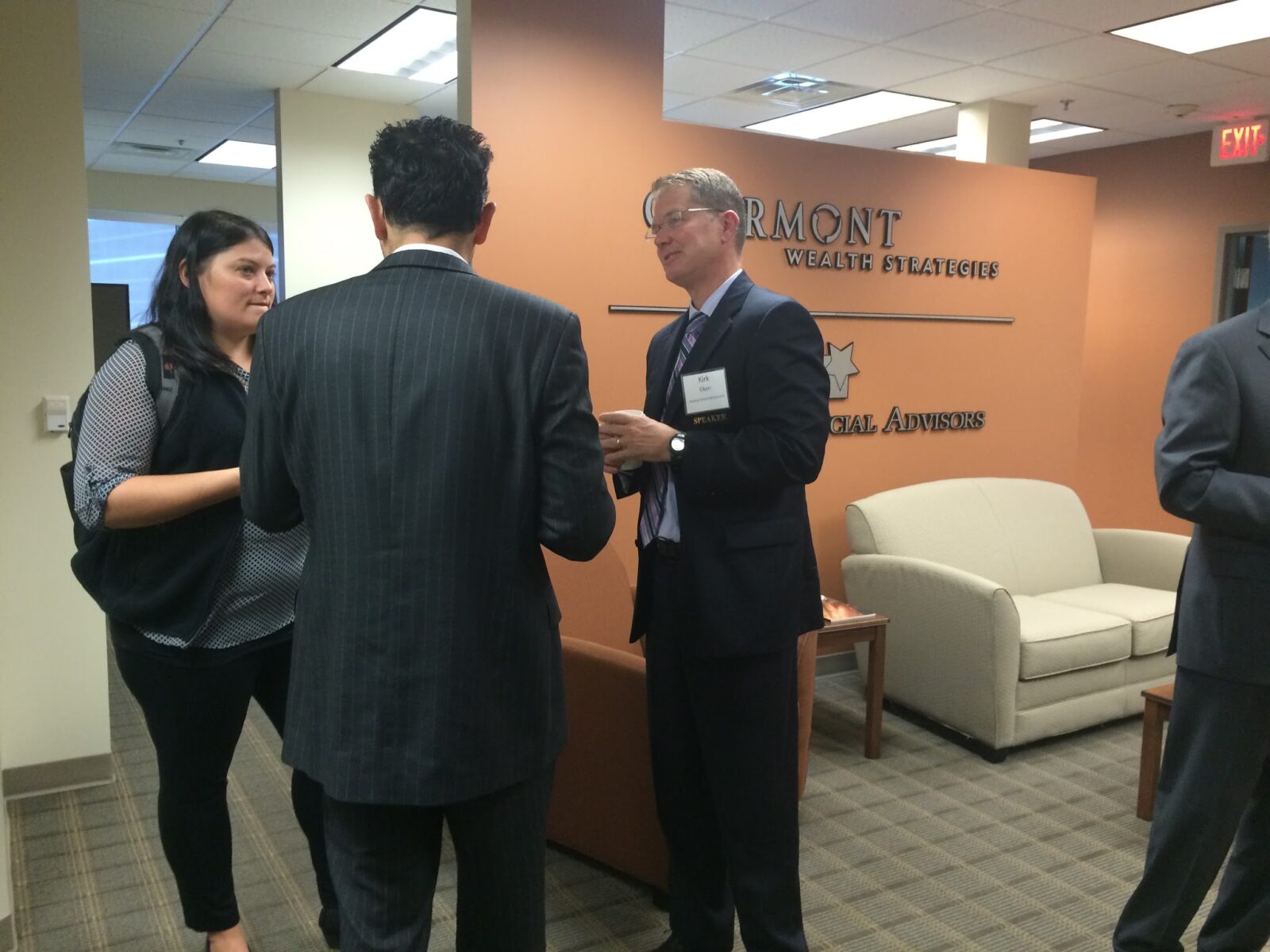
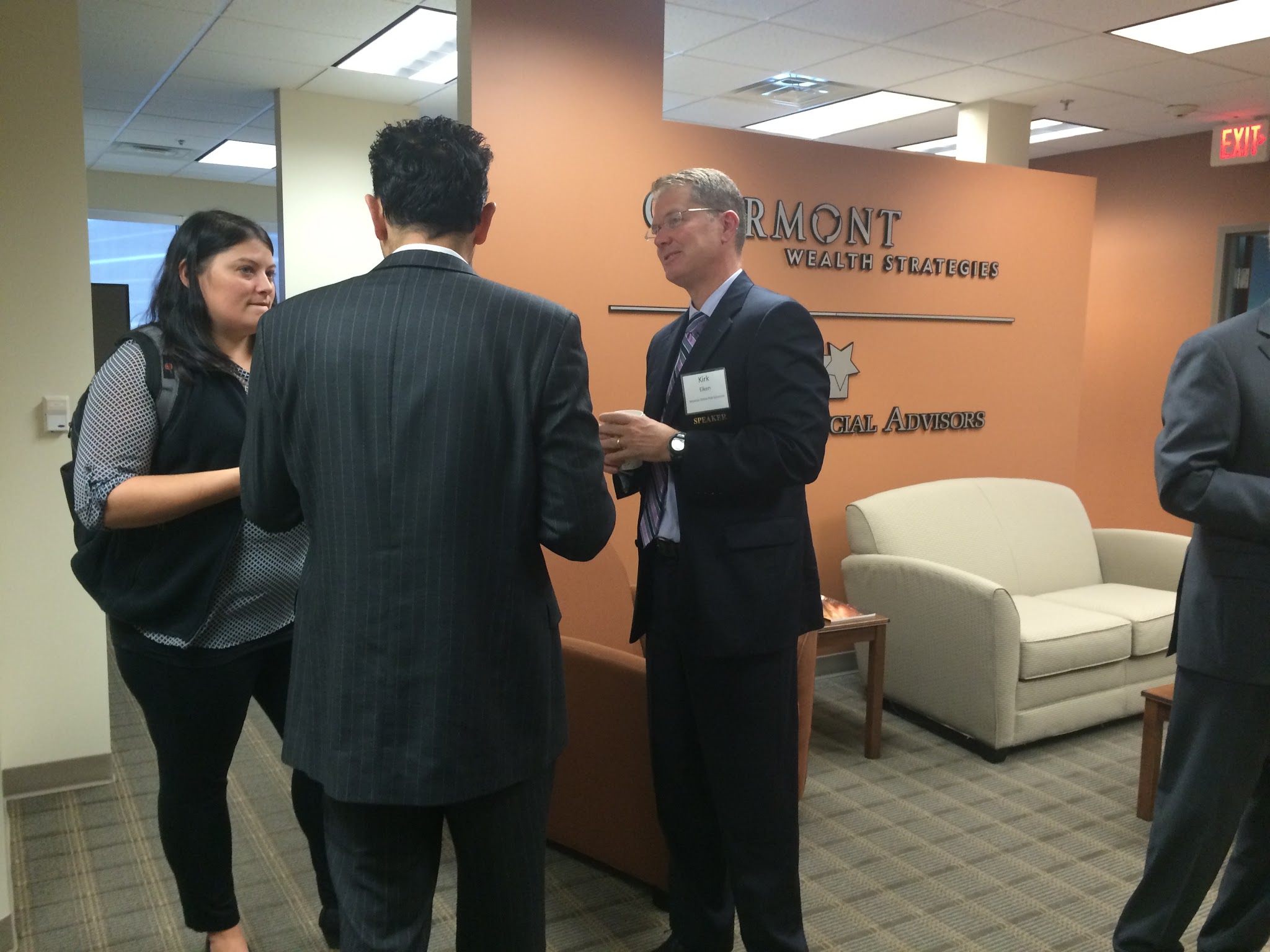 The World Trade Center hosted event “Strategies for Dealing with
a Strong U.S. Dollar” facilitated interactions between local companies who all
face this challenge. The discussion was led by Matt Blyth of Fulton International
Group, Kirk Elken of Securitas Global Risk Solutions, and Timothy Deitrich of Barley Snyder. Together they were able to provide insight from
different positions with expertise in foreign exchange strategies, credit
insurance options, and legal considerations, respectively.
 A variety of manufacturing companies, from different
industries within the manufacturing field, participated in this conversation. Of
the entire discussion, Letters of Credit to assure reliability of customers,
cultural challenges that impact business interactions, and the changing
international environment of competition were just a few topics introduced; problems
and challenges were responded to with advice and potential solutions from
others.
One Part of a Bigger Picture.
the U.S. dollar and the challenges that presents, it was noted that this is one
part of a bigger picture. Success in exporting is dependent on having a wide
perspective of the many challenges exporting may present and having a balanced
approach in developing solutions for operating in the international market.
96
Normal
0
false
false
false
EN-US
X-NONE
X-NONE
/* Style Definitions */
table.MsoNormalTable
{mso-style-name:”Table Normal”;
mso-tstyle-rowband-size:0;
mso-tstyle-colband-size:0;
mso-style-noshow:yes;
mso-style-priority:99;
mso-style-parent:””;
mso-padding-alt:0in 5.4pt 0in 5.4pt;
mso-para-margin:0in;
mso-para-margin-bottom:.0001pt;
mso-pagination:widow-orphan;
font-size:12.0pt;
font-family:Calibri;
mso-ascii-font-family:Calibri;
mso-ascii-theme-font:minor-latin;
mso-hansi-font-family:Calibri;
mso-hansi-theme-font:minor-latin;}
solution” to these challenges. However, roundtable conversations where ideas,
advice, and insight can be shared is an immeasurably valuable resource in
pursuing exporting success and proficiency.